Introduction
The growing demand for safer, more sustainable and more efficient processes is driving a gradual transformation in the polyurethane industry. In demanding sectors such as automotive and footwear, one of the most significant changes is the transition from traditional solvent-based release agents to water-based technologies capable of delivering equivalent or even superior performance. This trend is also reflected in recent work by Concentrol on new generations of water-based release agents for polyurethane.
Main Benefits
IA-112-5 is a water-based release agent developed for integral skin foam, with a particular focus on the manufacture of single-density footwear soles using polyether systems, although its scope of application can extend to other moulded integral skin foam parts, such as furniture components and other technical applications.
- One of its most interesting features is the satin surface finish it gives to the final part, with the option of adjusting it towards a more matt finish to meet application requirements. Control over gloss levels and surface appearance is becoming increasingly important in applications where visual quality forms part of the manufacturer’s final specifications—a trend already observed in other high-value-added integral skin foam applications.
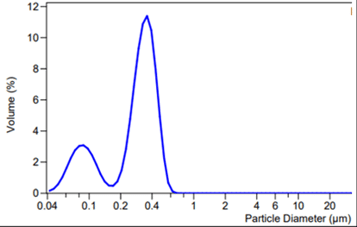
- This new generation of water-based release agents incorporates Concentrol’s proprietary emulsification technology, which produces very small particle sizes that help improve film formation on the mould.
- Another remarkable feature is the low tin content, in line with evolving industry regulations and the growing demand for safer, more sustainable technologies. The new water-based formulations minimise the presence of certain substances traditionally used in these systems while maintaining a high level of performance.
- Despite being a water-based release agent, it can be applied at low flow rates—even below those used with certain solvent-based systems.
This feature is particularly relevant because it combines two advantages that do not usually go hand in hand: a predominantly water-based formulation and exceptionally low product consumption. The result is a very significant reduction in VOC emissions, potentially bringing them close to zero during the mould release operation, particularly when compared with conventional solvent-based technologies. In addition, eliminating large quantities of solvents offers further benefits in terms of industrial safety, storage and product handling. These benefits have been widely recognised as key advantages of the new generations of water-based release agents.
Concentrol Solution
Water-based release agents have traditionally been considered more sensitive to application conditions because of their different film formation mechanism and slower evaporation compared with solvent-based systems. However, advances in formulation are demonstrating that it is possible to develop products that match the performance of conventional systems while maintaining an excellent balance between release performance, surface quality and process robustness.
Experience gained in industrial applications shows that today’s water-based systems can deliver excellent part release, process stability, consistent surface quality and compatibility with subsequent operations, while also helping to improve health and safety conditions on the factory floor by drastically reducing exposure to volatile organic compounds.
At Concentrol, we continue to explore solutions that adapt mould release technology to the evolving needs of the polyurethane industry, seeking a balance between technical performance, process efficiency, surface quality, VOC reduction and improved working conditions, while maintaining the productivity required by modern industrial manufacturing.
Solution Success Story
- Geographical area of implementation. Portugal
- Specific Application. Manufacture of PU footwear soles using Polyether polyol systems, in both one-component and two-component PU formulations. Manual spraying directly onto the moulds.
- Key benefits defined by the specific portuguese customer:
- 10% reduction in product consumption compared with a solvent-based release agent
- Good surface finish on moulded parts
- Easy release of parts from the mould
- Very good adhesion during subsequent bonding in the assembly process, with materials such as TPU foam
- Easy application by manual spraying